You are currently viewing The Tribe: A Collective Comic Book Adventure

The Tribe: A Collective Comic Book Adventure

When discussing contemporary comics, The Tribe stands out as an essential collective.

Founded by screenwriter Jean-David Morvan, this studio brings together illustrators, writers, and colorists around a shared ambition: to explore the multifaceted nature of comics, far removed from traditional conventions, and to create works that are both challenging and accessible.
Projects can range from dark fiction and thrillers to historical or documentary narratives, and even graphic experiments.


A diversity of styles and talents

One of The Tribe’s greatest strengths lies in the diversity of its members. The collective brings together authors with varied backgrounds, blending established talents with emerging artists. Among them are Scietronc, Hiroyuki Ooshima, Arnaud Locquet, and Séverine Tréfouël, to name just a few.

Depending on the album, the teams change, regroup, and adapt to the needs of the story. This mix of profiles, styles, and sensibilities allows the collective to never become confined to a single approach to comics.

A human vision of the profession

Beyond the artistic aspect, The Tribe also champions a more collaborative approach to the world of comics.

For JD Morvan, it was also about creating a framework that would allow authors to benefit from a minimum of stability through collaborative work. By pooling projects and skills, the studio seeks to offer an alternative to the precariousness often associated with the profession of comic book author, while simultaneously promoting the value of the collective.

Iconic and bold projects

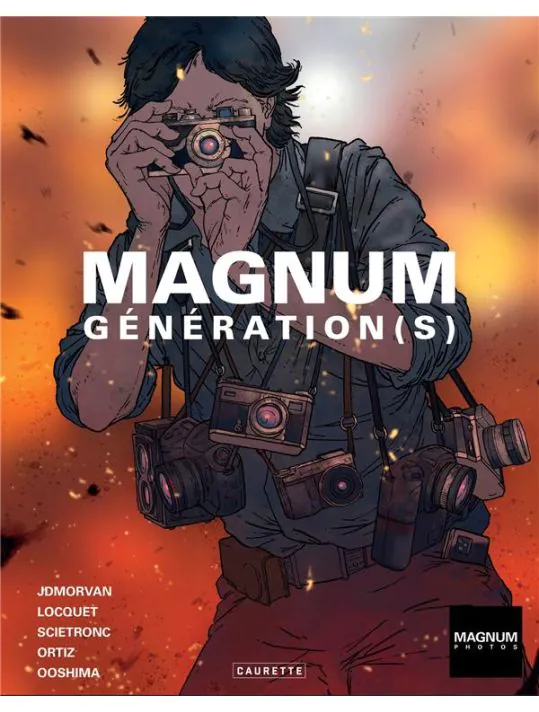
Among The Tribe’s most notable achievements, Magnum Generation(s) holds a central place.
Created by JD Morvan with several members of the collective, the graphic novel retraces the history of the Magnum Photos agency by blending comics with archival photographs.

This hybrid project perfectly illustrates The Tribe’s ambition: to tell history differently, explore new narrative forms, and demonstrate that comics can engage with other media while remaining accessible to the reader.

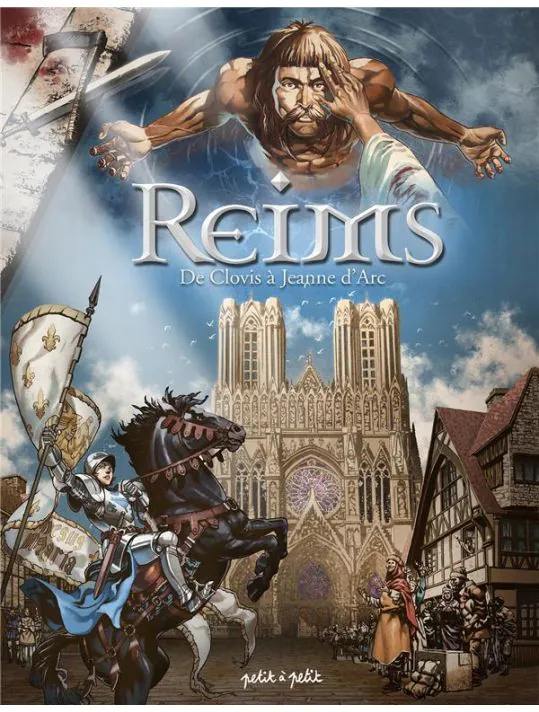
But The Tribe doesn’t stop there. The graphic novel about Reims, for example, offers a well-researched and immersive look at the city and its history, combining local stories with visual discoveries.

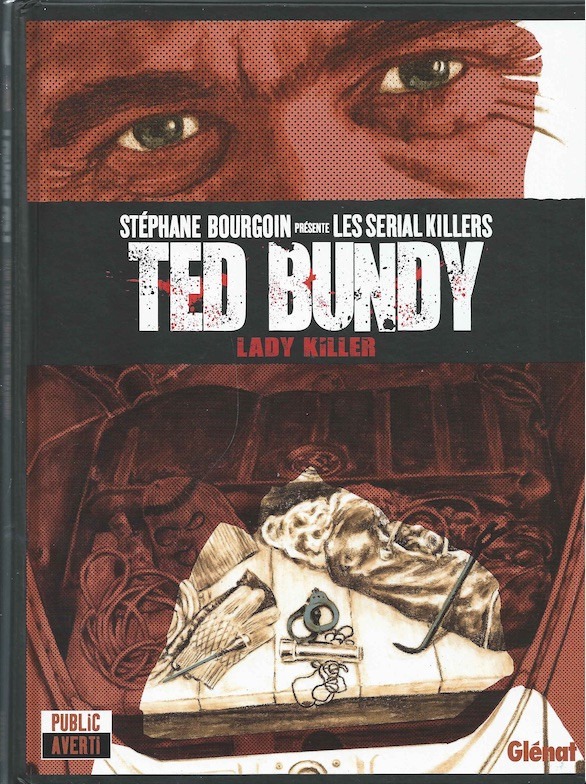
Meanwhile, the graphic novel about serial killers adopts a darker, more gripping tone, combining investigation, narrative tension, and graphic reconstruction of events.

These complementary projects showcase the collective’s diversity: whether it be historical documentaries, crime stories, or graphic experiments, The Tribe constantly explores new ways of telling stories.
 

Leave a Reply